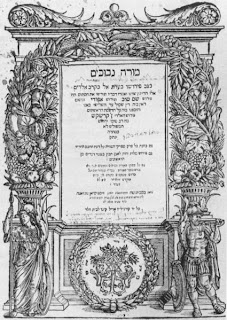
Showing posts with label Rambam. Show all posts

Tuesday, May 22, 2012

At the grave of the RAMBAM in Tiberias


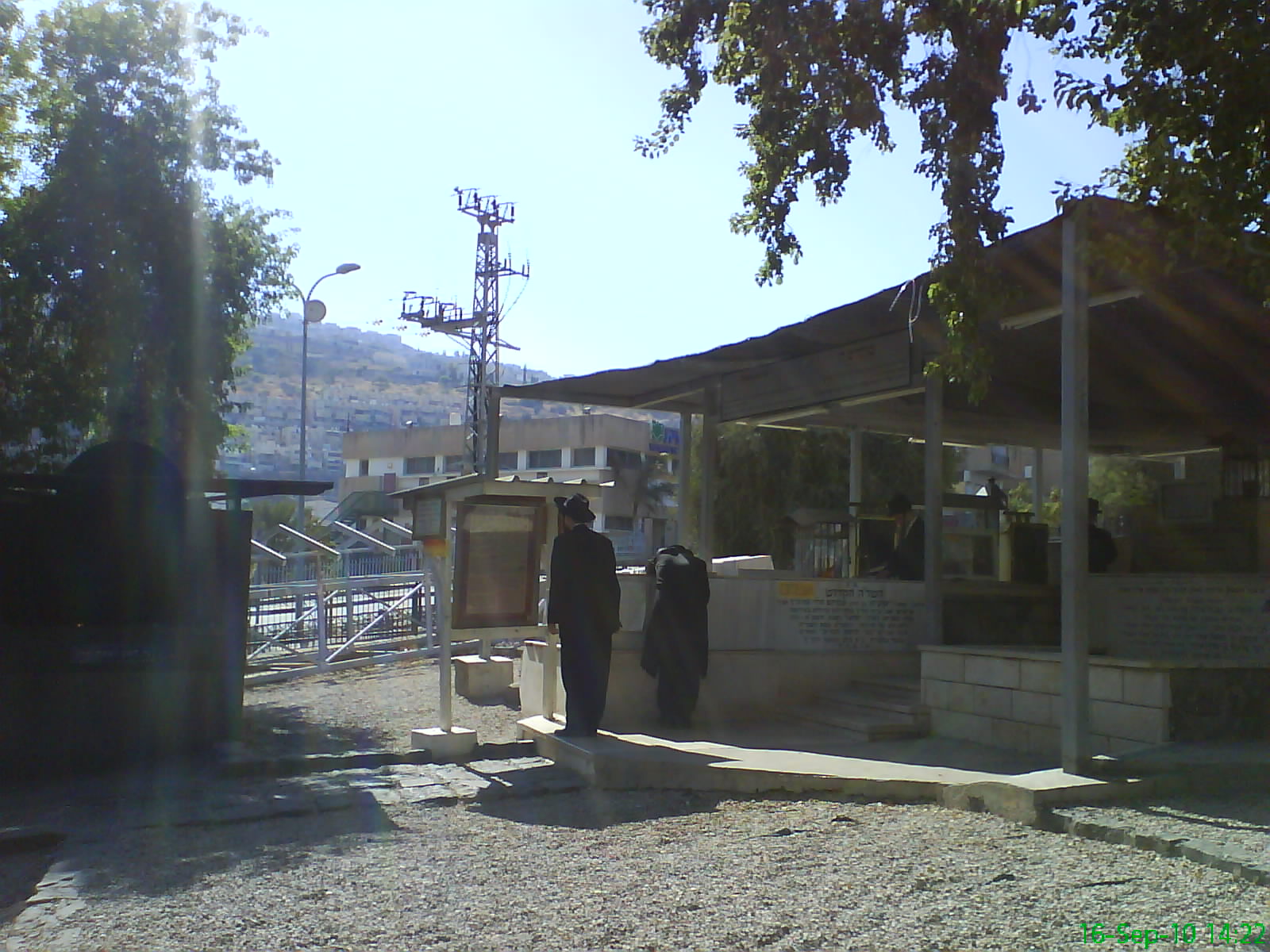
You cannot miss the grave of the RAMBAM (Maimonides) in downtown Tiberias (northern Israel at the Sea of Galilee). The monument placed above the grave can be seen from anywhere  down at the lake.


Underneath the monument, you can find the Kever of the RAMBAM (Rabbi Moshe ben Maimon, 1135 - 1204).


Not at the grave but placed on the wall of a house in the area: A portrait of the RAMBAM.

Photos: Miriam Woelke

HERE and HERE are further pictures ! 


Why the RAMBAM was buried in Tiberias

http://shearim.blogspot.com/2010/10/bh-in-1204-rambam-maimonides-died-in.html

Monday, January 23, 2012

Rambam: "Knowing G - d"

B"H 

The Rambam (Maimonides, Rabbi Moshe ben Maimon, 1135 – 1204) lists in his “Mishna Torah” various basic Jewish principles. Already in the first paragraph of the Mishna Torah Tractate “Sefer Mada”, the Rambam states that the fundamental Jewish concept is to “know” G – d. “To know that G – d exists. To know that G – d is the creator of the universe and any existence. There was no one before Him and before the creation process, only G – d alone existed and nothing or nobody else". 

The question comes up why the Rambam uses the word “to know (Hebrew: YADA) G – d” and not “to believe in G – d”. 

First, man has to accept that there is a G – d. He must internalize that G – d is the creator of all existence. As soon as a person does accept the existence of G – d, he can continue to believe in Him and start doing Mitzvot. However, in Judaism it is extremely important to KNOW that there is a G – d but belief is not a condition. For instance, a Jew can accept that G – d exists but he doesn’t have to believe. Nevertheless, by acknowledging G – d, this particular Jew already follows the most basic principle in Judaism.

Saturday, October 22, 2011

Were Cain und Abel (Hevel) humans ?

B”H 

We have just started reading the Torah anew and yesterday the Jewish world read Parashat Bereshit in the Synagogues. Bereshit as well as Noach are my favourite Parashot because through endless study, I have been building up a very special connection to those two Parashot. I just love writing about Bereshit and Noach although it is a neverending subject. 

Here is a Midrashic opinion taken over by the Rambam (Rabbi Moshe ben Maimon, 1135 – 1204): 

The Rambam wrote in his “Moreh Nevuchim – Guide for the Perplexed” (1:7), that only Adam HaRishon’s had a human shape whereas his first two sons Cain and Abel (Hevel) rather looked like animals. 

Certain commentators , e.g., the Abarbanel, explain that, first, Adam had misused his extremely high G – dgiven intelligence in a negative way. He preferred running after his own desires instead of using his intellect for a way of getting closer to his creator. 

G – d created man in His own image, meaning that man possesses intellect and the ability building a relationship to G – d. Thus one should always use his intellect in a positive way with a certain amount of Kedusha (Holiness). 

Only when Adam and his wife were thrown out of Paradise (Gan Eden), the two started a Teshuva process. The Talmud Tractate Eruvin 18b teaches that Adam did Teshuva for 130 years, then reunited with his wife and begot his third son Seth (Shet). During all those 130 years, Adam and Chava were separated. 

Whereas Adam and Chava begot their two firstborns when they were still acting against the will of G - d and not too serious about getting closer to Him, Shet was born under different circumstances. Besides the Rambam, especially kabbalistic literature teaches that Cain and Hevel weren’t of human shape but animal – like creatures.

Monday, July 18, 2011

The Story of the RAMBAM as Comic

B"H

Google Books publishes a book telling the story of the Rambam (Maimonides, Rabbi Moshe ben Maimon, 1135 - 1204) in a comic version. The author is Robert Avrech.


Wednesday, February 16, 2011

"Eat Healthy" - According to the Medieval Wisdom of the RAMBAM

B”H


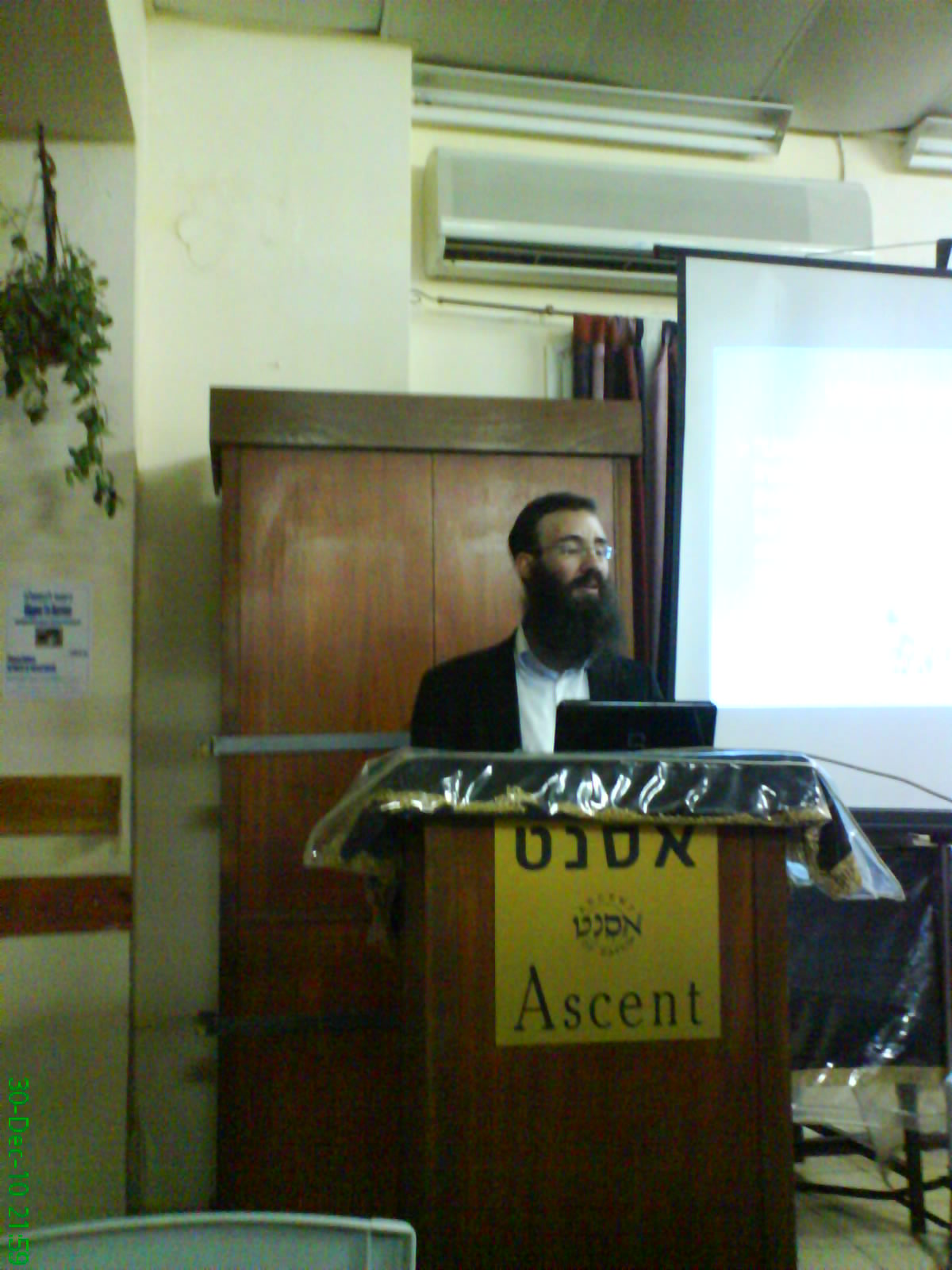
Almost two months ago, I participated in a seminar on the Rambam’s (Maimonides, 1135 – 1204) teachings on nutrition. The seminar was held at the Chabad hostel “Ascent” in Zfat / northern Israel. The lecturer was Gil Shachar from Haifa and according to him, the Rambam was almost accurate in his writings on health.
Already the Rambam stated that a man should eat in order to satisfy himself. Eat until the desire disappears and the stomach is filled but don’t overeat. When the stomach is too full, the acids cannot spread and digest the food. 


B12 is being digested last. Eating enough meat is not a guarantee for the body absorbing all the B12. 


Leave your stomach ¼ empty. Too much food, no quality food, inappropriate eating order and time of consumption is not healthy. Overeating or eating the wrong food can cause diseases. Doctors agree that eating a small quantity of bad food is less dangerous than an enormous amount of good healthy food. The body can handle small amounts of toxic substances. 


Photo: Gil Shachar


Always remain a little hungry and take your mind off food. How can you avoid too much food ? By only having one dish for a meal. Lots of tasty food leads people to excessive eating because the complexity of flavours increases desire. Each dish is digested on its own and when you eat them at the same time, it is bad for the stomach. Each dish requires a different condition in the stomach, different levels of acids in the stomach. If something is not totally digested, it reaches the intestines with its poison. It can also happen that the stomach is too busy to digest all the vitamins. 


Start with the lighter meal. 

Never mix fruit and other foods ! Pears, grapes or figs must be eaten before the meal. Wait 15 – 20 minutes after eating a light meal (e.g. fruit) in order to empty out the stomach. 


It takes about six hours to digest beef and about three hours to digest chicken. In case the fruit is eaten after the meat, then everything is stuck in the intestines. If the sugar of the fruits ferments inside the intestines, all the vitamins are lost and only calories remain. Nevertheless, there are fruits we may eat during a meal or even afterwards: Avocado, coconut, olives, almonds and nuts. Melon should always be eaten alone.
Do not eat yoghurt with fruit ! Dried fruit are also not too healthy but very fattening.

Don’t drink too much during a meal. Have a hot tea or a soup before the meal.
When you are truly hungry your stomach is empty and clean. Eat with joy because food can also heal the body. “Happiness heals the soul (Shnei Luchot HaBrit). The Shulchan Aruch suggests that we shouldn’t eat while we are fearful, worried or angry. When you eat, sit down and eat slowly.


The Rambam teaches that one should wait 3 – 4 hours before he goes to sleep. The intestines don’t work at night, don’t digest and the stuck food with its toxins go into the blood. The stomach should be empty when we go to sleep. Drink tea without sugar.
Harm when you eat before sleep: Constipation, heartburn, damage the immune system (the immune system especially works while we are asleep), gaining weight, being tired.

Talmud Bava Metziah teaches that a man should have breakfast but not immediately after getting up. Instead, one should move his body (exercises) and eat about an hour later.

The Rambam said that eating white bread is not healthy. Whole wheat is much healthier and has 100% more vitamins and minerals than white flour. Oats, on the other hand, reduce cholesterol in the blood.

Whole wheat bread has to be 100% whole wheat. Watch the ingredients ! Avoid oil in breads ! One may use coconut oil or olive oil but not soya oil or canola.

The Talmud Tractate Eruvin 55 teaches that one should not live in a town where there is no vegetable garden. Healthy nutrition means eating salads and raw vegetables. Add green leaves into a salad !

According to the Rambam, milk is not good for everybody. Only when one digests it properly and is not allergic. However, add honey to you milk. Today, milk is being pasteurized and thus not healthy anymore and we are just left with the cholesterol. The best milk is goat milk (Rambam) !


Cheeses are not good but only very fresh cheese. 


The calcium of the bones keeps away dangerous acids ! Milk contains an acid protein which causes to break down calcium from the bones. Only a small amount of calcium is being absorbed by the body. Consumption of dairy products causes osteoporosis. Your bones and muscles remain strong when you have lots of physical activities.
Avoid animal protein and sodium but consume fruits, vegetables, plant foods, greens, vegetables and beans. This way you avoid osteoporosis.


According to medical research, high amounts of dairy products can exceed the enzymes’ capacity and cause prostate cancer. Meat and dairy may cause a higher prostate cancer risk. 


Don’t involve yourself in dairy diets. High calcium intake may increase prostate cancer.
Not enough vitamin D means a higher risk of cancer ! Vitamin D only from the sun but not on cloudy days. If not, take a supplement.

Milk and cholesterol: Milk is even more hypercholesterolemic than meat fat because it contains more acids.

Milk, yoghurt and ice cream contain a high amount of insulin comparable with the unhealthy white bread.

Milk adds to the human weight.

Don’t consume too much soya milk and don’t consume tofu on a daily basis. Coconut and rice milk is better than soya.

Eat beans and almonds, as they contain calcium.

Ten things cause a recent illness to reoccur: ox meat, eggs, fatty meat, grilled meat (the body is still weak and now needs to digest heavy foods).


Already the Rambam said that eating a small amount of a sweet (e.g. chocolate) after the meal would be good for us.

The Rambam on meat: 


Chicken is easier to digest than meat. Chicken has less cholesterol and fat than meat.
Animal fat is bad. 


Liver has cholesterol and contains toxins. 


There are good fats and bad fats. Avocado and pure olive oil contain good fat.
Eat meat from free animals which grow in nature and not from mass production but avoid fat in meat. Eating meat once a week is enough !


Animal meat is the main reason for breaking down the bones and osteoporosis.
Don’t consume soy products on a daily basis but coconut, almond or rice milk.


The Rambam on fish: 


Fish is bad food. Especially for the elderly. In particular big fish and those fish coming out of bad water. Big fish live longer than small fish and thus have more time to swallow more mercury. Pregnant and nursing women should avoid eating big fish. Eat small fish with white meat from rivers. But don’t eat too much. Today, most rivers and seas are polluted and the fish contain mercury, nickel and other heavy metals. Mercury also gets through air pollution into the rivers. Fish absorb the methyl mercury. Moreover, volcanoes release mercury. 

_________________________

Despite all the facts, huge and powerful food industrieskeep on trying to convince us in their commercials to buy their products. Dairy products are healthy and so is fish consumption. This is what most people think and believe. Nevertheless, the opposite is true. What you should at least do is reducing your dairy product consumption and only have meat and fish once a week.


Photos: Miriam Woelke

Monday, January 3, 2011

Nutrition according to the RAMBAM

B”H

While millions of people involved themselves in celebrating the Gentile new year tonight, Jews normally don't celebrate it. At least not according to Halacha. Unfortunately, celebrating the Gentile new year has become a fashion lately among secular Israelis.

I had something better to do than getting involved in all kinds of new year thoughts and, instead, participated in a nutrition seminar at the Chabad hostel ASCENT in Zfat:

“Nutrition and healing according to the writings of the RAMBAM" (Maimonides, 1135 – 1204).

Rabbi Moshe ben Maimon was born in Spain but, at a very early age, was forced to escape the radical Muslim group "Almohad” which had conquered his country. He escaped to northern Africa and finally ended up in Cairo where he also worked as a doctor.

The Rambam was not only known as a Rabbi, physician, astronom but especially as a medical doctor.  He wrote several books on healing and also on nutrition regarding many sicknesses.

The Israeli Dr. Gil Shachar gave a three - day - lecture course in Zfat and quite a few people came to listen to his explanations. Healthy food is a top subject; especially when it also comes from the Rambam.

Here are some photos from our introduction class last Thursday night:


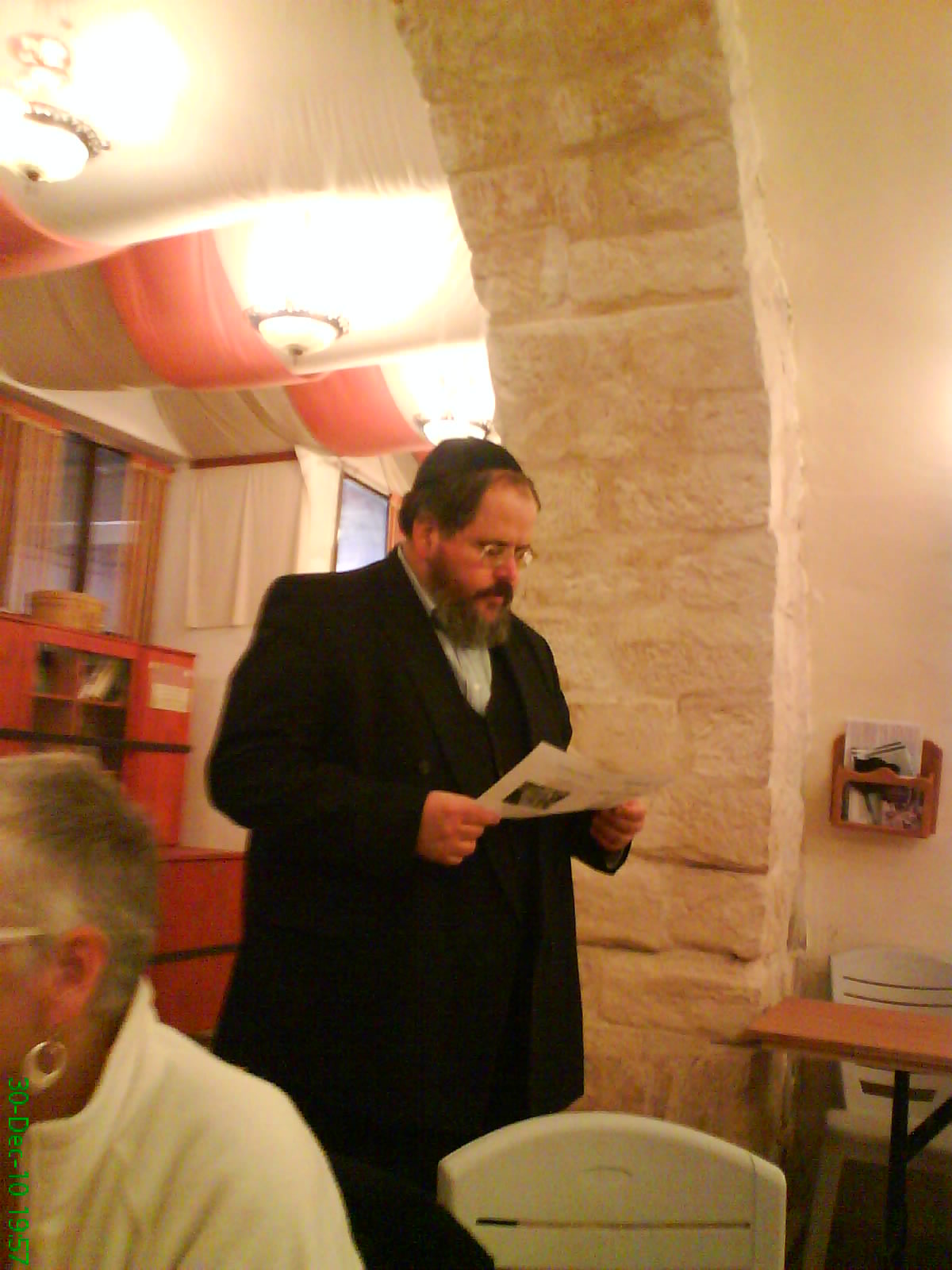
Rabbi Mordechai (Big Mo) Siev is welcoming the seminar participants.


Rabbi Yerachmiel Tilles (at the end of the table with the long white beard) gave a brief religious introduction.


Dr. Gil Shachar, our lecturer.


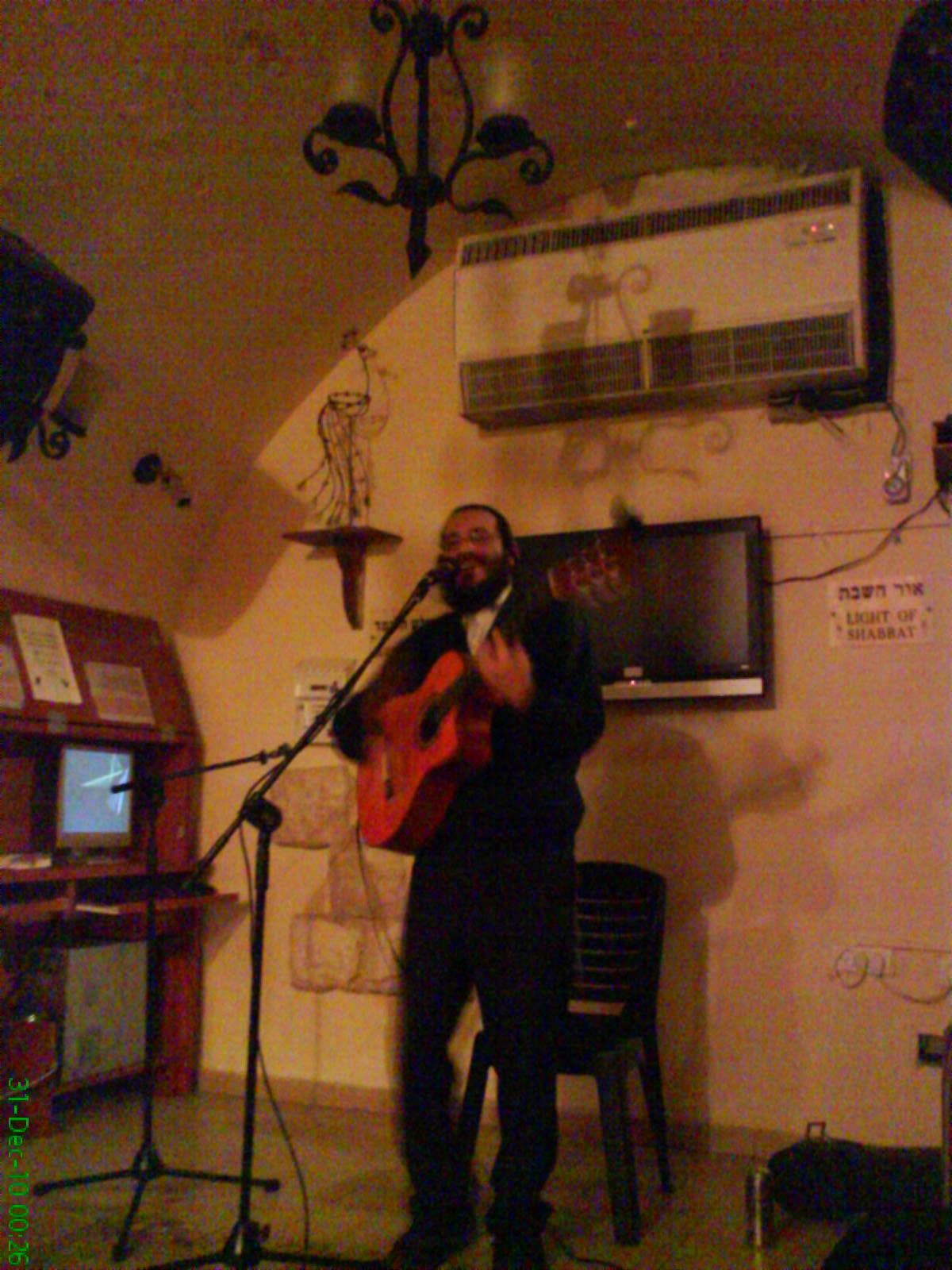
Afterwards the first lectures we were invited to a "spiritual" concert with a Breslover Chassid from the chassidic Zfat band "Simply Zfat".


Despite all lectures on health and the right nutrition: At the concert beer, potatoe chips and other junk food were served.

I am going to translate Dr. Shachar's lectures as soon as I can

Photos: Miriam Woelke

Wednesday, December 1, 2010

A Kosher Street for Cohanim in Tiberias

B"H

The descendants of Aharon (brother of Moshe) are "Cohanim - Temple Priests" and thus underlying special halachical purity laws. One rule is that a Cohen is not allowed to come into touch with a dead corpse. The result is that it is more than complicated for him to visit a cemetery and he needs to take special precautions.


Tiberias, the town at the Sea of Galilee (Kinneret) is now building an entire street leading from Hayarden Street (at the Central Bus Station) a few meters around the corner to the grave of the Rambam (Maimonides, 1135 - 1204).


Tiberias was built on ancient cemeteries. Not a cemetery in a real sense; however, even more than 2000 years ago, Jews and before the Canaanites, used to bury their people in and around the area.


The grave of the Rambam in Tiberias.


The halachic way of building a new road across the Rambam's kever. A haredi Rabbi is always watching the construction workers.

How is such a halachic street being built?
Thick parts of concrete are being put in a certain way on top of the possible ancient graves. Not in order to destroy but to cover them.


I made these photos on November 29, 2010:
Miriam Woelke


Links:


Sunday, October 24, 2010

The graves of the Rambam and Rabbi Yochanan ben Zakkai

B"H

Last Thursday, I went to the grave of the RAMBAM. I have done so quite a few times lately.

The RAMBAM (Maimonides, 1135 - 1204) in buried in Tiberias / northern Israel.


The grave of the Rambam in Tiberias / northern Israel.
The Mechitzah (separation between men and woman) goes right over the grave.
This is pretty new and I find it rather strange.


Memorial Candles


The grave of the famous Talmudic Rabbi Yochanan ben Zakkai near the gravesite of the Rambam.


Photos: Miriam Woelke


Further Link:

Why the RAMBAM is buried in Tiberias

Saturday, October 9, 2010

Why the RAMBAM is buried in Tiberias

B"H


In 1204, the Rambam (Maimonides) died in Egypt but he is buried in Tiberias (northern Israel). Despite some existing disputes about his grave, whether it is really in Tiberias or in Egypt, there are different stories about how his dead body ended up in Tiberias in order to bet buried there.


One story says that when the Rambam felt that he would soon pass away, he called his students together and asked them to put his dead body on a camel and just let it walk wherever it wanted. The students were supposed to follow the camel and bury the dead body of the Rambam where the camel stopped and didn't want to go any further.


And this is what happened: The Rambam passed away, the students put his dead body onto the back of a camel and the camel started walking. Somehow it walked up all the way to Safed (Zfat) and only stopped walking near the grave of Rabbi Yochanan ben Zakkai


This is one of the reasons why the Rambam is buried in Tiberias.


Walking up to the Rambam's grave in Tiberias.

Photo: Miriam Woelke


_________________________

Sources

The burial story itself:

Iggeret Rabbi Yosef Sofer from Zfat (Safed)

Additional Source:

"Mekomot Kedushim ve'Kivrei Zaddikim
be'Galil - מקומות קדושים וקברי צדיקים בגליל"

Monday, September 20, 2010

The grave of the RAMBAM in Tiberias, Part 1

B"H

Last Thursday I also went to the grave of the RAMBAM (Maimonides, 1135 - 1204) and here are the photos. Wikipedia mentions that there is a discussion about whether the grave in Tiberias is really the one of the Rambam or if her was buried in Egypt where he died.


"Welcome to the grave of the Rambam ! Please respect the holiness of this place !"


The Rambam's grave can be found in downtown Tiberias. Only a 5 minute walk away from the Central Bus Station. Before you enter the complex you have to pass a few souvenir stands (see above).


I don't know whose idea this was:
The 13 Principles of Faith hanging next to the toilet !


Walking up to the grave.


Before you get to the actual Rambam grave, to your left you can find further graves of very famous Rabbis. However, I will put those pictures into the blog a little later and first only concentrate on the Rambam himself.


The Mechitzah (separation between men and women) was pretty new to me. The last time I was there, the grave was accessible for anyone and we sat around the grave in a circle. Men and women together.


Photos: Miriam Woelke

Sunday, August 15, 2010

Photos: Trip to Tiberias - Safed


Tiberias City Center.
Humidity in Tiberias is much worse than in Tel Aviv !


Entrance to the grave of the Rambam (Maimonides) in Tiberias.


View onto the Kinneret


On the way up to Safed


Safed: The new city


View from the Chabad Hostel Ascent to Meron


The Old City of the former center of the medieval Kabbalists Safed


Selling souvenirs at Kikar Hamegidim in Safed.


Photos: Miriam Woelke

Friday, July 16, 2010

Ani Ma'amin … - I believe …

B"H

"Ani ma'amin (a) be'Emunah Shlemah …

These are the first words of the Rambam's (Maimonides', 1135 - 1204) "13 Principles of Faith". The Rambam states that the key to successful Torah study is the conviction that it was divinely given at Sinai. Men must accept the Creator and the Torah content and laws.

- I believe with complete faith that the entire Torah now in our hands is the same one that was given to Moshe, our teacher, peace be upon him.

- I believe with complete faith that this Torah will not be exchanged, nor will there be another Torah from the Creator, Blessed be His name.

Thursday, May 20, 2010

The RAMBAM on SHMUEL (the Prophet Samuel)

B"H

Israel was commanded to fulfill the Mitzvot upon entering the Land:

1. To choose a king.

2. To wipe out the descendants of Amalek.

3. To build a Beit HaMikdash (G - d's chosen house).

Since it is a Mitzvah to appoint a king, why was G - d displeased with the people's request of a king from Samuel (Shmuel) ?

This is because they made their request in a spirit of complaint. Rather than seeking to fulfill the Mitzvah of appointing a king, they were simply intent on rejecting the Prophet Samuel (Shmuel).
___________________

Source:

"Mishna Torah - Hilchot Melachim"
by the Rambam (Maimonides, 1135 - 1204)

Tuesday, January 19, 2010

Miracles

B"H

In particular many parts of haredi society are very much into miracles. Some argue that Sephardic Jews are those being more superstitious than others. Nevertheless, when you talk to Haredim they always let you know about recent miracles. Sometimes in a very stereotype way:
"G - d has been performing a miracle for us by saving our (haredi) neighbourhoods from terrorist attacks because we keep the Mitzvot".

G - d created the universe in form of miracles; above nature as we understand it. The Rambam (Maimonides, 1135 - 1204) does not deny the existence of miracles and, as most of us know, the Rambam (Nachmanides, 1194 -1270) was very much into miracles. It was him explaining that the words of the Prophets such as Yeshayahu (Isiah) 11:6 are to be understood in a literal sense. Yes, there will be changes in the animal kingdom in the times of Meshiach. Other commentators state that the verse in Yeshayahu is nothing else but a metaphor standing for peace among the nations and the Jews.

In Chassidut, it is the Zaddik (righteous) having the power to perform miracles. But what really is a miracle and what is nature ? Don't we sometimes consider a certain occurence quickly as a miracle because it is just so unnatural and unbelievable ?
I think it was the Rambam saying that when G - d created the world, He already wove into each thing the potential to behave supernaturally. Example: When G - d created water, He invested with it the power to split, and this potential became reality when the Israelites left Egypt, as we will see in next week's Parashat Beshlach.

Various miracles only took place on a temporary basis. Once, and for a very short period of time. Afterwards the miracle was over, everything went back to normal (nature) and the incident never repeated itself.

The Talmud Tractate Pesachim 54a teaches us that ten things were created at twilight of the first Shabbat eve. Among others the Man (Manna), the donkey's mouth (see Parashat Balak) or the opening of the earth's mouth where Korach stood.
Meaning that those occurences didn't take place as a spontaneous miracle but had been planned from the time of creation; interwoven by G - d into His creation and waiting for the special moment to take place. "There is nothing new under the sun" (Kohelet - Ecclesiastes) hinting to G - d's involvement and plan.

It says that miracles do take place but the question is how we relate to them. Do we take everything literally and get excited or are (also) able to recognize the hidden miracles in the cause of nature interwoven by the creator ?

Tuesday, September 15, 2009

G - d's Promises which have not yet been fulfilled

B"H

Sometimes while studying Torah, we obviously don't pay too much attention to every little detail. I particularly came to this conclusion while studying Rambam's "Mishna Torah - Hilchot Melachim u'Milchamot" 11:2.

There the Rambam wrote:

"Similarly, in regard to the cities of refuge, (Deuteronomy 19:8 -9) states:"When G - d will expand your borders …, you must add three more cities". This commandment was never fulfilled. Surely, G - d did not give this command in vain".

As to the prophets, there is no need to cite proofs from the prophetic Books, for all their books are filled with mention of this matter.
________________

The Rambam's intention is not merely to cite another proof that the Meshiach will come, but, rather, to demonstrate that he will enable the Jews to observe Torah and Mitzvot in a more complete manner.

The cities of refuge were for people who, by mistake, killed a fellow Jew. They had to remain in such a city until the death of the present Cohen HaGadol (High Priest). After he died, they could leave the city without expecting further punishment.

"You must add three more cities". - In the territory of these nations in addition to the six established in Eretz Israel and Trans - Jordan (Hilchot Rotzeach 8:4).
This commandment was never fulfilled. Surely, G - d did not give this command in vain. - Hence, we may assume that it is to be fulfilled in the Messianic age.

Monday, September 7, 2009

Maimonides Confrontation with Mysticism

B"H

Jews and non - Jews

Many Jewish texts claim differences between Jews and Gentiles. Rabbi Yehudah HaLevi made the distinction several times in his "Kuzari", and the Rambam (Maimonides) argued in his "Epistle of Yemen" the descendants of Avraham, Yitzchak and Yaakov are the community of Israel. They received the Torah.

Rabbi Yehudah HaLevi even made the claim that Jews by birth are superior to Gentiles and converts to Judaism. This concept is also mentioned in the Zohar and by the Ramban (Nachmanides).

The Rambam (Maimonides), however, rejects this idea:
"Human beings are human beings".

As we all know the Rambam adds his favourite concepts of the "intellect": "Humans are born with a potential to learn. We are born with different capacities to learn and to know. If we frail to actualize our intellectual potential, that capacity with which we were born is wasted, and nothing survives the death of our body". Human beings can grasp significant truths. This kind of ability is called "potential intellect". The Rambam made it clear that only the actual intellect survives death.

One of my problems with his opinion is how he differentiated "intellect" and "knowledge" ? Does any knowledgeable person always have to be that intelligent ? I can have lots of knowledge but am I using it in an intellect way ? Does being intelligent only stands for a great mind ?

Furthermore, the Rambam explained why the soul can survive the death of a body: "This form of the soul is not destroyed, as it does not require physical life for its activities. It knows and apprehends the intelligences that exist without material substance; it knows the Creator of all things and it endures forever".
_______________________

Maimonides Confrontation with Mysticism

By Menachem Kellner (Professor of Jewish Thought at Haifa University)

Thursday, June 4, 2009

The Temple Menorah

B"H

This week's Torah Parasha Beha'alotcha tells us about the kindling of the Menorah. There are different versions about the shape of the Temple Menorah. When you walk around in Jerusalem's Old City today, in the Jewish Quarter, then you find a model of the Menorah exhibited either in the Cardo or near the Kotel (Western Wall).


Here a picture of that model:


The Jewish historian Josephus Flavius wrote that after the destruction of the Second Temple, the Romans stole the Menorah and took it to Rome. Until today you can see the below picture on the Arch of Titus in Rome.

Many sources claim that until today, the Vatican is hiding the Jewish Temple Menorah !

The Rambam (Maimonides, 1135 - 1204), however, said that the real shape of the Menorah wasn't round at all but rather looked like this:


Photo: Chabad

Wednesday, April 22, 2009

Teachings from Henny Machlis

B"H

Henny Machlis is the wife of Rabbi Mordechai Machlis and both are known for the incredible Shabbat hospitality.
Last night, Henny was teaching a small group, as her husband had to participate in a Levayeh (funeral).


The Gemara in the Talmud Tractate Bava Metziah 58b teaches that it is forbidden to call another person by a nickname. As, many times, nicknames are negative, we could ashame the other person. The Marahal of Prague (Rabbi Yehudah Loew ben Bezalel, 1525 - 1609) taught that people giving other people nicknames don't recognize the G – dliness in another person.

All of us were created in G – d's image (Zelem E – lo – him) and no human being has the right criticizing G – d's creation. Furthermore, a person doesn't only consist of his outer appearance but everyone should rather look at the soul (Neshama).
The Rambam (Maimonides, 1135 - 1204) explained in his book "The Guide of the Perplexed – Moreh Nevuchim" the expressions "image - zelem" and "likeness - demuth". When it says in the Torah that we were created in the image of G – d, does G – d then have a body or form ?
G – d does neither consist of any kind of form nor matter but is a being we cannot even comprehend let alone understand. ONE G – d without a beginning and without an end. Creating humans in His image means that we have an intellect. We know the difference between Good and Evil. We are able to communicate with G – d and raise ourselves up to higher levels and thus, get closer to our creator.

Every human being in this world is unique. Why he was created and what his purpose in life is ? This is not our task to question.
_____________________

Henny's second teaching was regarding the tenth Commandment "Lo Tachmod – Do not desire …".

In Judaism we believe in the Divine Providence. Everything and anything happening to us, in our lives, to the world, is arranged by G – d.
But just a second !
What about our famous Free Will ? Don't we make choices in life ?
As a matter of fact, G – d gives us certain abilities or character traits. Even before we are born He decides if we are going to be rich or poor, intelligent or less bright.
Lets say that we have the choice between two jobs or two professions. One of them will lead us to tremendous wealth but we don't know about it. Only G – d is stipulating it. Suddenly we have the choice and if we choose the other way, all the money is gone. The good thing is that we don't have a clue about it.

As soon as someone desires his neighbours property, wife, money, car, job, etc, he shows that he is not satisfied with the portion in life G – d gave him. Or in other words, he is criticizing G – d.

G – d, on the other hand, provides every human with what he needs and gives him the problems he is able to solve. Why then has my neighbour a nicer car and I am driving around with a wreck ?

Only G – d knows the answer, as He has arranged it this way. However, if we start looking behind the scenes carefully, we may find a reason.

Thursday, January 15, 2009

The RAMBAM and the Intellect


"Moreh Nevuchim - Guide for the Perplexed"

B"H

The Rambam (Rabbi Moshe ben Maimon, Maimonides) was born in Cordoba / Spain in 1135. He was one of the greatest Torah scholars we ever had in Judaism. Furthermore, he was an expert in physics, was a philosopher and medical doctor.
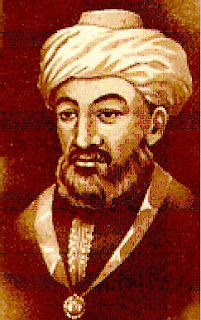


Rabbi Moshe ben Maimon (1135 - 1204)

In his "Guide for the Perplexed – Moreh Nevuchim" we can find him as a philosopher. On the one hand, the Guide serves Jews getting some understanding of the symbols of the Torah but at the same time, the Guide is written for highly intellectual people understanding the hidden messages in it.

After a highly productive life, the Rambam died in 1204, and was layed to rest in Tiberias in northern Israel.
Many times we hear a claim that the Rambam actually converted to Islam when the Almohad (a radical Islamic group) invaded Spain. However, this claim was never confirmed and a conversion of the Rambam seems to be very unlikely. Why would he then call Mohammad a madman ?
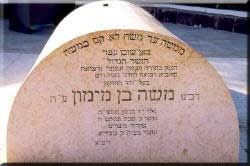


The grave of Rambam in Tiberias


The "Guide for the Perplexed" was originally written in Arabic and caused lots of criticism in those days. The book was even banned or burned. The main reason for the ban was the Rambam quoting the Greek philosopher Aristotle. How could someone dare quoting a Greek philosopher and confirm some of his opinions (e.g. creation of the world) ? On the other hand, the Rambam also proves Aristotle wrong in many further issues. Not all of Aristotle's statements went hand in hand with Judaism.

Throughout the entire Guide, the Rambam always comes back to his main issue:
the INTELLECT.
G - d gave us all the intellect so that we may use it in the best and highest way we can. It is the intellect making us different from an animal. Our intellect enables us to differ between Good and Evil. Man can perfect himself by using his intellect and the more intellectual a person is, the more likely he may receive prophecy. The Rambam claims that prophecy is only given to perfected highly intellectuals. Those statements are rejected by a later Jewish philosopher from the 14th century; by the famous Chasdai Crescas.
According to Crescas, nothing depends only on the intellect of an individual but G - d created all of us out of love. And wouldn't all those ideas about the intellect leading people away from taking the Torah Mitzwot seriously ? Doesn't a high intellect only become an excuse ? Just like: "If I have enough intellect, I am automatically closer to G - d".

Despite all the bans and book burnings, the Guide became one of the most famous and most studied Jewish book. Besides the "Mishna Torah" and other works, the "Guide for the Perplexed", once again, shows the greatness of the Rambam.